5 Urgent Signs Your Business Needs Professional Commercial Cleaning
By David Beatty | October 27, 2026
A clean workplace supports employee comfort, customer confidence, and a professional business image. Routine in-house cleaning may handle trash, light dust, and obvious spills, but it does not always resolve contamination embedded in carpets, upholstery, corners, or frequently touched surfaces. As a facility becomes busier, ordinary routines may also fall behind.
Certain warning signs indicate that a workplace needs more than another quick cleanup. Persistent odors, stubborn stains, recurring illness, declining productivity, and negative customer feedback can point to deeper sanitation problems. Responding promptly can prevent these conditions from becoming more disruptive or damaging to the organization's reputation.
1. Persistent Odors Remain After Routine Cleaning
An unpleasant smell that returns shortly after cleaning usually means the source remains. Odor-producing substances can settle within carpet fibers, upholstery, floor seams, waste areas, or other porous materials. Standard sprays may cover the smell, but they do not eliminate bacteria, moisture, food residue, or grime below the surface. A persistent odor deserves attention even when visible areas appear clean.
The concern becomes more urgent when employees cannot identify where the smell originates. Damp materials, overlooked spills, hidden waste, or buildup near ventilation components may spread odors throughout several rooms. Musty smells may also suggest excess moisture that requires separate inspection and correction. A
commercial cleaning service can assess affected surfaces and target the source instead of masking the result.
Comments from employees or visitors provide another warning. People who spend every day in a building may become accustomed to its smell, while a customer notices it immediately. Odors can make reception areas, offices, restrooms, or retail spaces feel neglected. Repeated complaints should trigger a review of cleaning methods, frequency, and hard-to-reach areas.
2. Stubborn Stains and Surface Discoloration Are Spreading
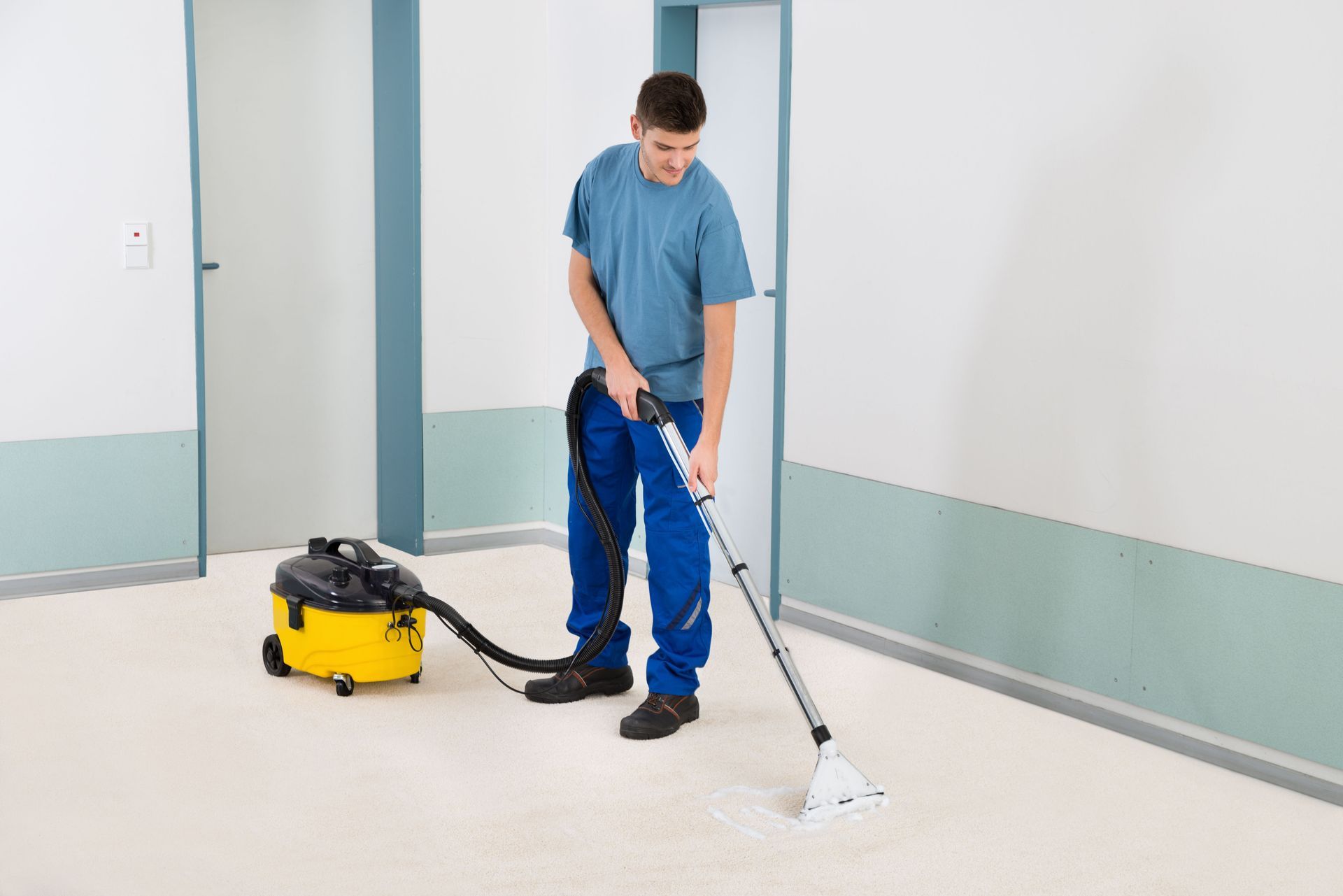
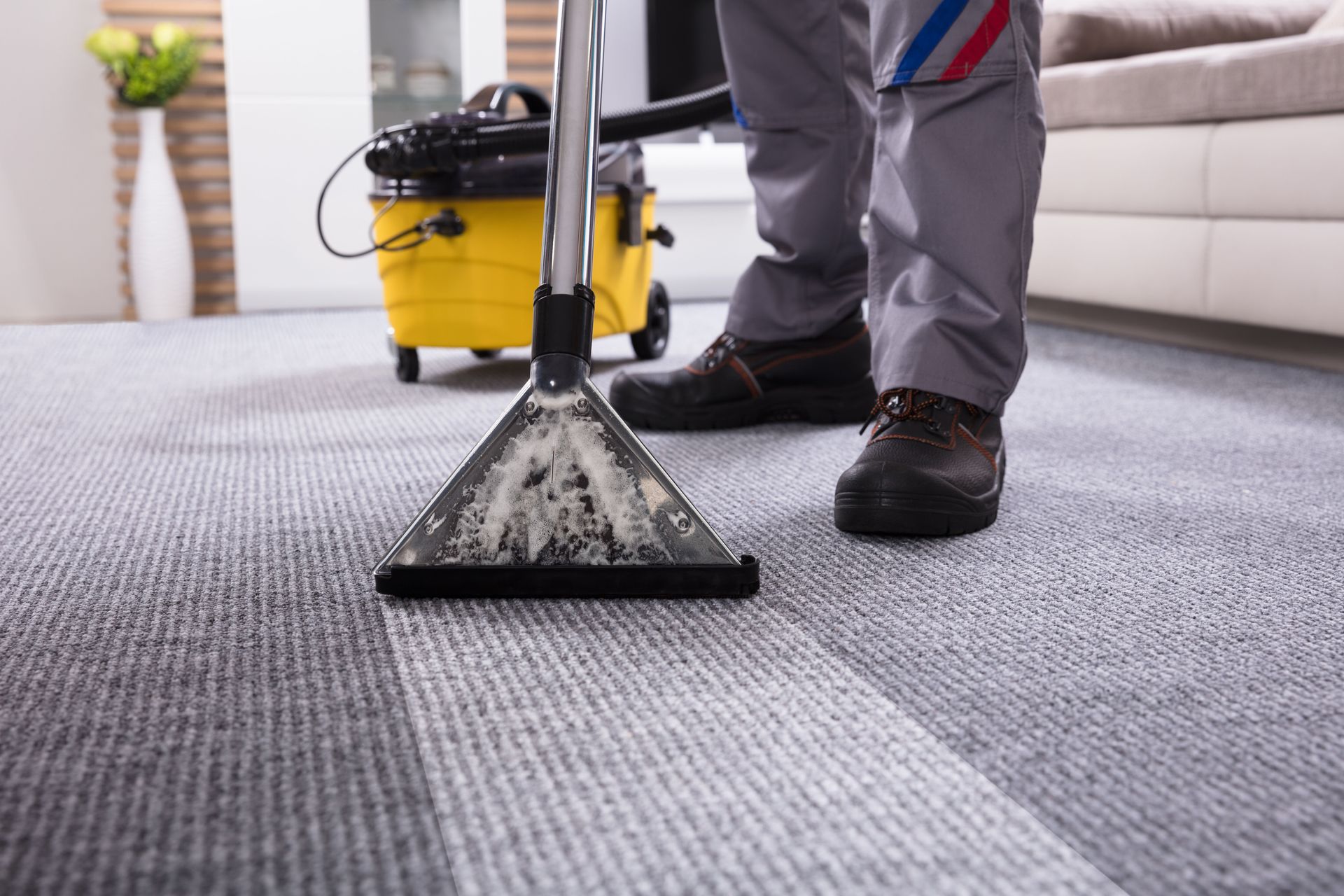
Visible stains on carpeting, fabric furniture, and flooring can diminish a workplace. Spills that are not fully extracted may attract dirt, produce odors, or become harder to remove. Scrubbing a spot with an unsuitable product can spread the stain or damage the material. Professional cleaners can select methods based on the surface and suspected substance.
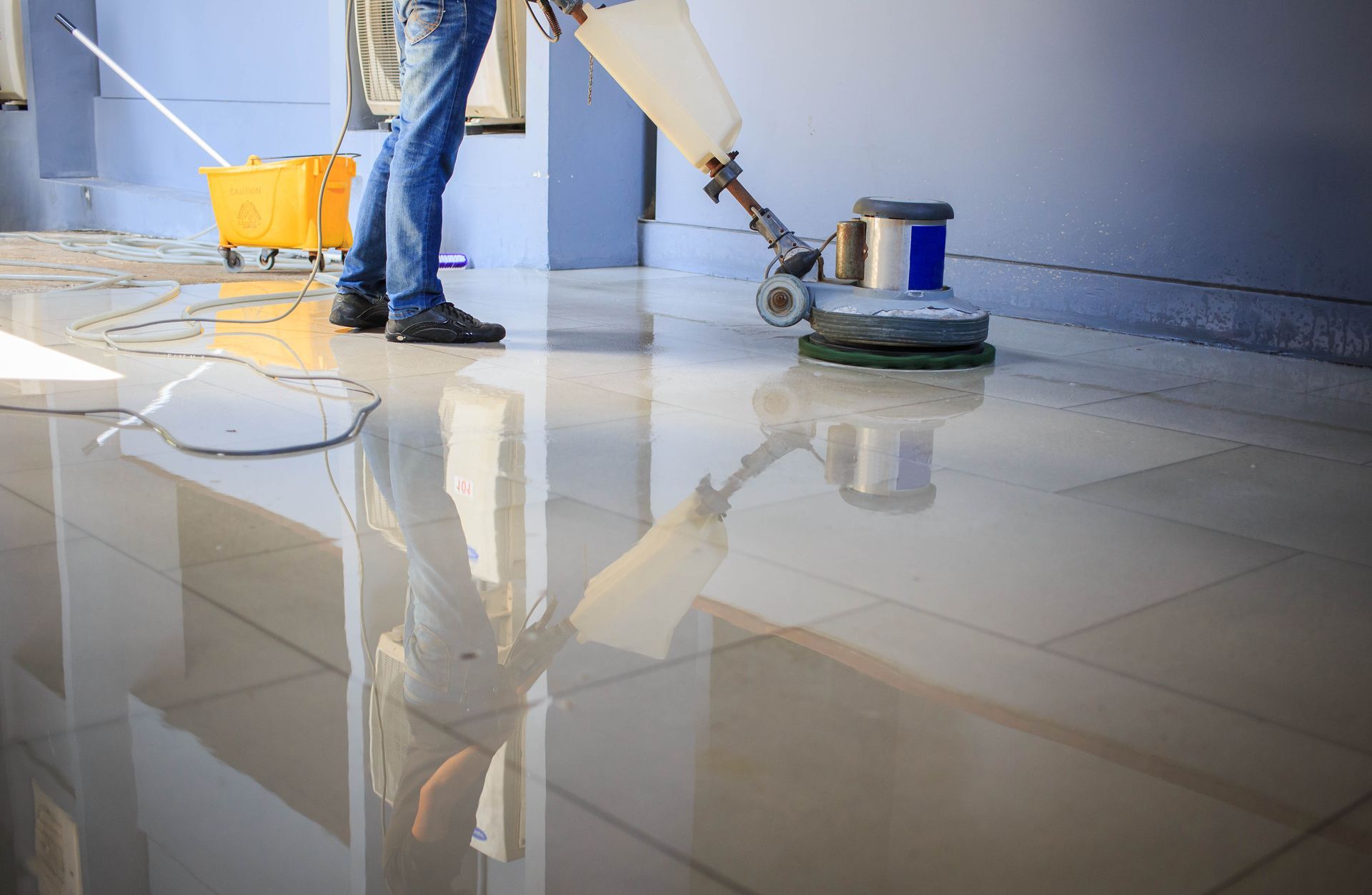
High-traffic areas demand attention because shoes, carts, and equipment continually carry soil through them. Entryways, corridors, break rooms, checkout areas, and shared work zones may develop dark paths or dull patches that routine mopping cannot correct. The contrast between heavily used sections and surrounding flooring shows that the current schedule is insufficient. Periodic deep cleaning can address embedded buildup.
Gradual discoloration is easy to overlook because it develops across months. Oils, dust, pollutants, and residue from incorrect products may alter floors, walls, or furnishings. When surfaces look dull after cleaning, adding more of the same product is unlikely to solve the problem. A commercial cleaning service can determine which materials may be restored and which damage requires repair or replacement.
3. Employees Experience Recurring Illness or Allergy Symptoms
A noticeable increase in absences may justify a closer look at workplace hygiene, particularly when several employees report similar symptoms. Illness has many possible causes, so cleaning conditions should not be treated as the automatic explanation. Even so, shared surfaces can contribute to germ transmission when cleaned inconsistently. Restrooms, door handles, light switches, counters, and shared equipment require a dependable sanitation plan.
Recurring colds or flu-like illness can reveal gaps in how high-touch areas are handled. A surface may look clean while still requiring appropriate disinfection, and hurried routines can leave important contact points untouched. A commercial cleaning service can establish a repeatable process that distinguishes general cleaning from disinfection. The goal is not to promise that illness will disappear, but to reduce avoidable hygiene risks and maintain cleaner shared spaces.
Sneezing, coughing, or eye irritation at work may also warrant an assessment of dust and allergen buildup. Carpets, upholstered furniture, vents, ledges, and crowded storage areas can collect particles that ordinary surface cleaning misses. According to WifiTalents, the U.S. workforce includes approximately 2.3 million janitors and cleaners. That figure reflects the substantial role cleaning workers play across facilities, including the detailed upkeep needed to control dust and maintain sanitary environments.
Management should examine whether symptoms worsen in particular rooms or during certain activities. That pattern may help identify a dusty area, damp material, or poorly maintained surface, although building professionals may be needed for issues outside a cleaner's scope. A qualified commercial cleaning service should explain what it can address and recommend additional evaluation for leaks, ventilation problems, mold, or other specialized concerns.
4. Workplace Order and Productivity Begin to Decline
Clutter, overflowing bins, dusty workstations, and poorly maintained common areas can interfere with daily operations. Employees may lose time moving around messes, searching for usable space, or repeatedly handling small cleaning tasks that interrupt their primary responsibilities. An orderly environment cannot create productivity by itself, but it can remove distractions and make routine work easier. A visibly neglected space may also lower morale by suggesting that workplace conditions are not a priority.
Another warning appears when the existing routine no longer produces acceptable results. Business growth, added staff, longer hours, or increased customer traffic can make an old schedule inadequate. Restrooms may need more frequent attention, waste may accumulate earlier, and floors may become dirty soon after opening. Managers can instead set a cleaning schedule that matches actual demand.
Employee discomfort deserves attention as well. Lingering dust, unpleasant smells, sticky surfaces, or untidy break areas can cause workers to avoid parts of the facility or take additional time to find a cleaner place to work or rest. Bringing in a commercial cleaning service can provide consistent care for shared areas and reduce the number of sanitation issues that compete for staff attention. Clear responsibilities also make it easier to identify when a maintenance problem falls outside regular cleaning.
5. Customers Comment on Cleanliness or Stop Returning
Customer complaints about dirty restrooms, stained floors, dusty displays, or unpleasant smells require a prompt response. Visitors often judge a business before interacting with an employee, and the entrance contributes to that first impression. A single complaint may identify an overlooked problem, while repeated comments indicate a persistent issue. Either situation should be compared with the current cleaning checklist.
Online reviews can magnify these concerns because future customers may read them while deciding where to visit. A defensive response does not correct the condition that prompted the criticism. The more useful approach is to inspect the cited area, identify why it was missed, and revise the schedule or quality checks. Consistent results from a commercial cleaning service can support that correction, though businesses should avoid requesting or promising favorable reviews in exchange.
A decline in repeat visits may have several causes, but visible sanitation problems should not be dismissed as a possibility. Customers are unlikely to explain every reason they choose a competitor, especially when the concern involves basic cleanliness. Regular inspections of customer-facing areas can reveal deteriorating conditions before they become common feedback. Attention should include entrances, counters, seating, restrooms, floors, glass, and any place where dirt or waste is readily visible.
Persistent odors, spreading stains, recurring health complaints, workplace disruption, and negative customer reactions all signal that routine cleaning may no longer be enough. Businesses should respond by documenting the problems, reviewing the frequency and scope of current tasks, and addressing maintenance issues that cleaning alone cannot resolve. A dependable commercial cleaning service can then provide structured, appropriate care that supports a healthier appearance, a more comfortable workplace, and a professional environment for every visitor.




Share On: