The Facility Manager's Guide to Bulk Office Cleaning Supplies
By David Beatty | October 9, 2026
Assessing foot traffic is the first step in understanding your workplace hygiene requirements. High-traffic zones like entryways and common rooms require more frequent sanitation to maintain healthy conditions. Identifying these areas allows managers to allocate essential resources precisely where they are needed most. Conducting regular surveys helps tailor cleaning schedules to match actual facility usage. A data-driven approach maximizes efficiency while keeping overall labor costs manageable.
Identifying Common Challenges
Workplace environments face unique maintenance obstacles due to daily activity and shared spaces. Common issues include dust accumulation, spillage, and restroom sanitation, all of which require consistent attention. According to CNBC, 89.9% of office workers surveyed believe workplace cleaning protocols are very or somewhat important, highlighting the demand for consistent upkeep. Anticipating these challenges prevents minor issues from turning into major operational disruptions, making it essential to stock dependable office cleaning supplies for quick daily responses.
Distributing Chemical Solutions
A diverse array of chemical formulas is required to handle distinct maintenance tasks across a facility. Disinfectants, glass formulas, and heavy-duty degreasers are among the essential items kept in stock. Selecting appropriate formulas ensures surfaces are sanitized effectively without causing material damage or leaving residue. Facility leaders must enforce safe handling procedures to prevent accidental chemical misuse. Investing in commercial-grade office cleaning supplies protects worker health and enhances overall facility appearance.
Selecting Quality Tools
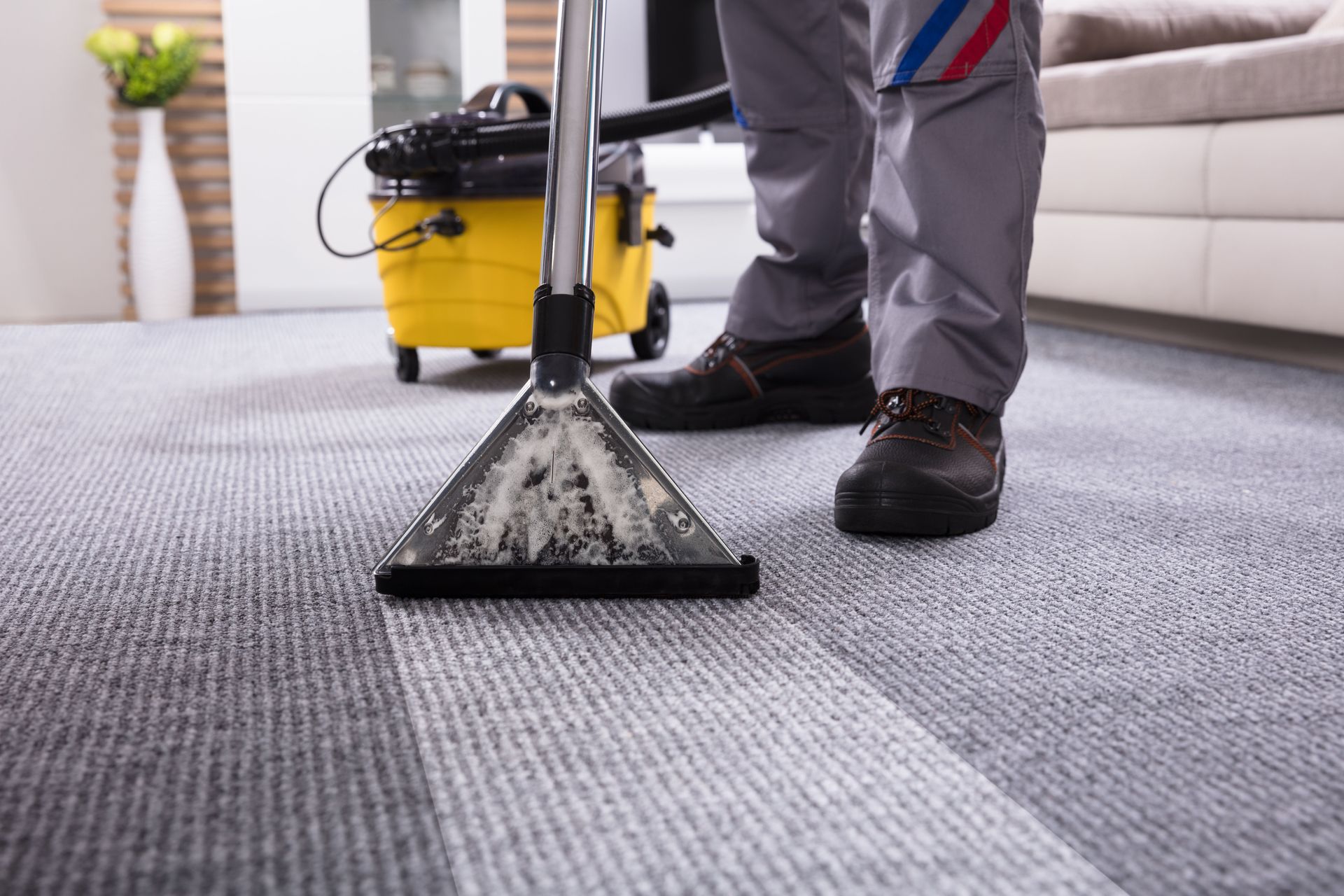
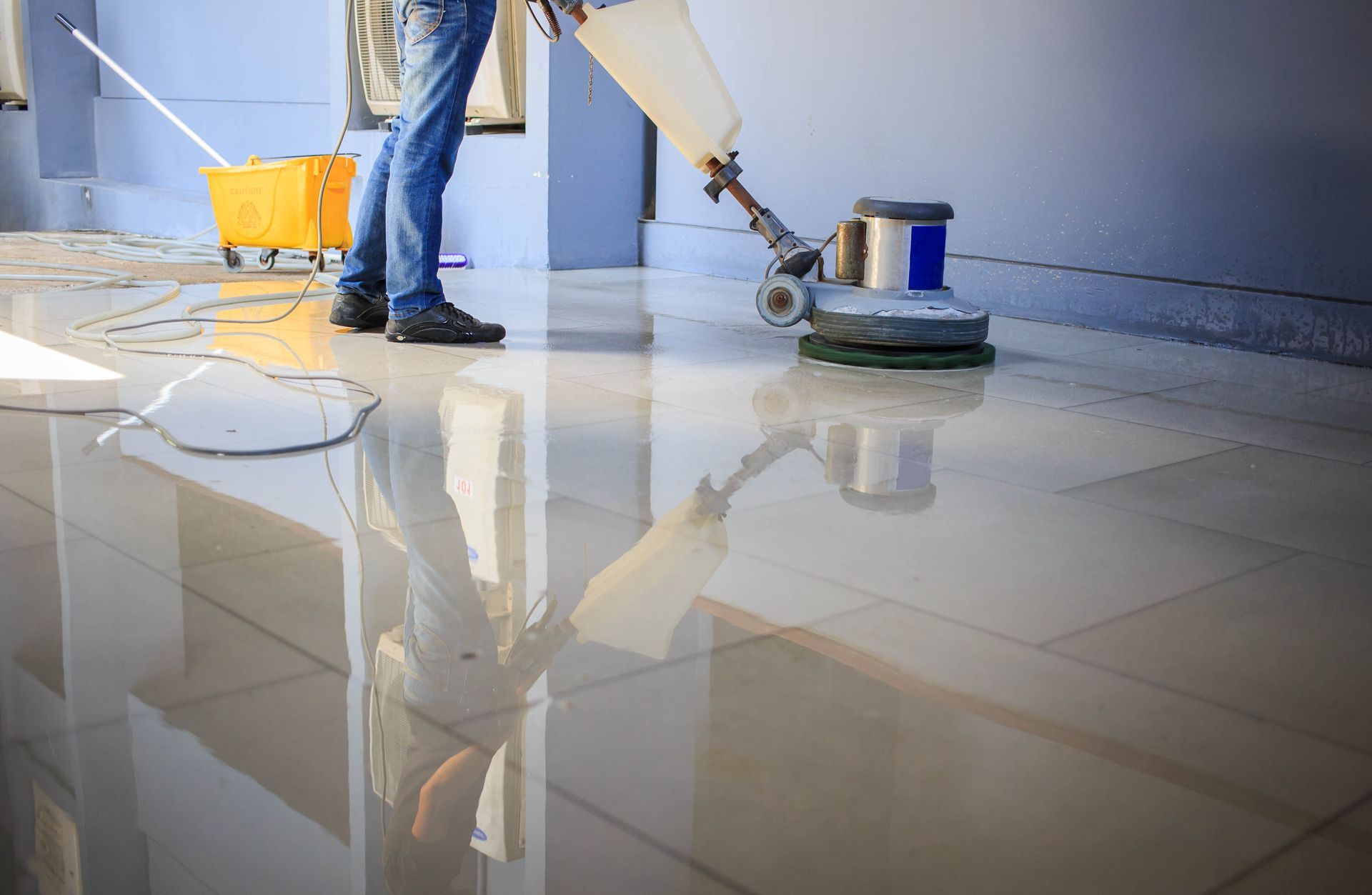
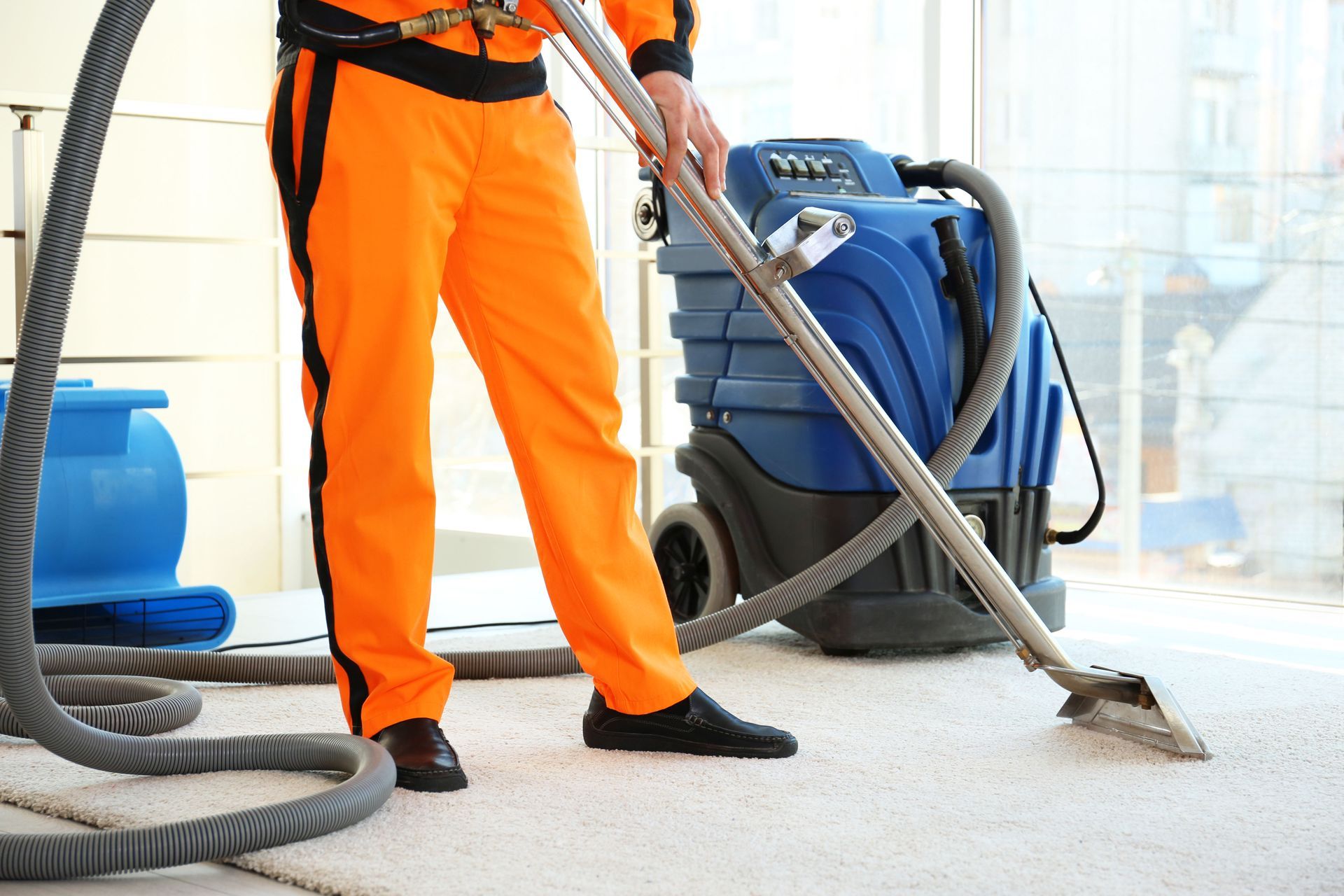
Durable tools form the foundation of any effective facility maintenance strategy. Vacuum cleaners, commercial mops, and microfiber dusters must be reliable and ergonomic to maximize productivity. Incorporating modern equipment delivers superior results while reducing physical strain on custodial teams. A well-selected inventory easily handles diverse surfaces ranging from high-traffic carpets to sealed hard floors. Proper team training ensures that specialized machinery operates safely and lasts for years.
Maintaining Quality Consistency
Consistency is key to maintaining clean commercial facilities, and volume purchasing supports this goal directly. Utilizing the same products repeatedly produces predictable results and simplifies team training. Keeping a steady supply of office cleaning supplies prevents stockouts that lead to inconsistent janitorial standards. Inventory consistency eliminates the trial-and-error phase associated with constantly switching brands. Uniform product usage preserves a professional image and maintains hygienic conditions across every department.
Building Vendor Partnerships
Establishing strong relationships with commercial vendors provides distinct strategic advantages for procurement managers. Consistently placing large orders for office cleaning supplies builds mutual trust, often unlocking lower pricing tiers and priority delivery terms. Strong vendor partnerships foster clear communication, making it easier to resolve shipping issues or negotiate custom contracts. Reliable suppliers prioritize high-volume accounts during market shortages or supply chain disruptions. Long-term partnerships streamline the procurement pipeline and lower overall operating costs.
Conducting Regular Auditing
Performing routine inventory audits helps facility managers track product usage accurately over time. Scheduled checks reveal stock discrepancies, locate damaged goods, and verify reorder points. Audits provide valuable data on which products deliver the best performance per dollar spent. Maintaining accurate counts of your office cleaning supplies prevents emergency rush orders and ensures budget alignment. Systematic auditing keeps janitorial operations organized, cost-effective, and fully supplied year-round.
Vetting Vendor Credentials
Partnering with reputable commercial suppliers guarantees access to high-quality, effective maintenance products. Managers should thoroughly evaluate vendor credentials, industry certifications, and product guarantees before signing supply agreements. Vetting suppliers reduces the risk of receiving sub-par goods or experiencing delayed deliveries. Working with established distributors ensures reliable product availability and consistent customer support. Careful vendor selection protects the facility's operational integrity and maintains high cleanliness standards.
Gathering Peer Recommendations
Networking with other facility managers provides honest insights when selecting commercial product suppliers. Peer recommendations offer real-world feedback regarding supplier reliability, order accuracy, and customer service quality. Learning from industry colleagues helps managers avoid unreliable vendors and locate top-tier distributors. Leveraging professional networks speeds up the vendor selection process while reducing procurement risks. Collaborative industry relationships help facilities secure reliable partners and better service agreements.
Negotiating Contract Terms
Engaging in structured contract negotiations secures favorable pricing that respects strict operating budgets. Managers should analyze market rates and volume discounts before entering discussions with product distributors. Clear communication regarding annual order volumes can unlock lower unit prices and free shipping options. Successful negotiations balance upfront product costs with guaranteed delivery schedules and quality assurances. Strategic contract management generates significant long-term savings for commercial facility operations.
Verifying Product Guarantees
Confirming product performance guarantees ensures that commercial inventory meets rigorous facility standards. Procurement contracts should clearly define quality expectations and return policies for defective shipments. Securing product performance guarantees protects the organization from financial losses caused by ineffective chemical formulas. High-quality products deliver superior results, reducing the labor time needed to clean difficult areas. Prioritizing certified product quality maintains a safe, hygienic environment for all building occupants.
Reviewing Environmental Certifications
Evaluating a supplier's environmental policies helps align facility procurement with corporate sustainability goals. Managers should request documentation on eco-certified formulas, concentrated options, and recyclable packaging initiatives. Partnering with green-focused suppliers lowers your building's overall environmental impact and supports green building certifications. Sustainable procurement appeals to eco-conscious clients, employees, and community stakeholders. Prioritizing green suppliers fosters responsible resource consumption across the entire organization.
Designing Staff Training
Developing a formal training program ensures personnel use commercial products safely and effectively. Comprehensive instruction should cover chemical dilution ratios, surface compatibility, and required personal safety gear. Tailoring training modules to specific facility layouts improves cleaning efficiency and reduces product waste. Interactive demonstrations help workers master proper application techniques for specialized machinery and formulas. Well-trained maintenance teams work faster, achieve better results, and maintain a safer workplace.
Prioritizing Safety Protocols
Enforcing strict safety protocols protects custodial teams from chemical injuries and workplace accidents. Training must emphasize the proper handling of hazardous substances, correct PPE usage, and emergency spill procedures. Regular safety refreshers reinforce proper habits and ensure full compliance with occupational health regulations. A strong safety culture reduces workers' compensation claims and keeps staff healthy and productive. Prioritizing safety protocols demonstrates a clear organizational commitment to worker well-being.
Demonstrating Correct Application
Hands-on instruction in correct product application maximizes cleaning power while preventing surface damage. Demonstrating proper chemical dilution ensures formulas work effectively without leaving sticky residues behind. Following manufacturer guidelines protects expensive flooring, fixtures, and office equipment from chemical degradation. Correct technique reduces overall chemical consumption, stretching your procurement budget further. Mastering application methods empowers maintenance staff to achieve professional results efficiently.
Scheduling Refresher Courses
Providing regular training updates keeps custodial staff informed on new products and modern sanitation technologies. Scheduled refresher courses reinforce core safety rules while introducing labor-saving tools and techniques. Periodic updates offer opportunities to address operational bottlenecks and update standard operating procedures. Continuous education builds a skilled, adaptable workforce capable of handling complex facility challenges. Ongoing training ensures long-term operational efficiency and maintains pristine building standards.
Gathering direct feedback from maintenance workers helps refine procurement choices and operational workflows. Frontline staff offer valuable observations regarding product performance, tool durability, and practical usability. Encouraging open communication helps managers identify inefficient items and replace them with better alternatives. Involving workers in selecting office cleaning supplies builds job satisfaction and encourages pride in workplace cleanliness. Listening to staff input ensures your inventory matches the real-world needs of your facility, and for the most reliable janitorial products delivered straight to your business, rely on Clean Sweep Janitorial Supply Co.






Share On: